
















Why Do Dogs Eat Dirt? The Answer Might Surprise You
Dogs do a lot of odd and seemingly random things that make us pause to scratch our heads. Eating dirt is no exception. So why do dogs eat dirt? If you catch your dog eating dirt, you need to pay attention to how much they eat and how often they do it to determine if there is an underlying health issue.
If dirt eating is something they have done once or twice but have not made a habit of, you do not have much to be worried about. If you notice your dog eats dirt and digs around in it religiously, however, you've got a bit of a problem.
Read on to learn why dogs eat dirt, what it means for your dog's health, and what dog parents should do in order to get their four-legged BFF to kick the habit.
Is Eating Dirt An Eating Disorder? Pica in Dogs
When dogs (and humans) consistently eat something that is not considered actual food or has no real nutritional value, it signifies a disorder called pica. The National Eating Disorders Association defines pica as "an eating disorder that involves eating items that are not typically thought of as food and that do not contain significant nutritional value, such as hair, dirt, and paint chips."
Pica can be triggered as an emotional response to anxiety or stress. A dog with separation anxiety, for example, might compulsively eat dirt or destroy a room and chew toys to shreds when left alone with nothing to do. One of the most famously strange human cases of emotionally triggered pica was of a widow who was addicted to eating her husband’s ashes in order to cope with the loss.
Luckily, a dog is not likely to pick human remains as their stress snack of choice, though dogs with pica may eat anything from dirt to couch stuffing. Pica in dogs can turn potentially deadly if they swallow a non-food that may be toxic, disrupt normal digestive process, or get lodged in their digestive tract.
If your dog's pica is directed at just dirt, however, there are both dietary and behavioral changes you can implement to keep them from consuming the earth entirely.

Your Dog's Diet and Dirt Eating
Why do dogs eat dirt? Some dogs often eat dirt because their diet is lacking specific nutrients. This is sometimes the case if their human feeds them homemade meals.
Many households choose to make their own dog food because they distrust standard commercial dog food. The problem with homemade dog food, however, is that it can have trace vitamin deficiencies or mineral deficiencies.
While a homemade diet can be beneficial for your dog's health, the food needs to be balanced. If you make your dog’s food at home, talk to your vet or a veterinary nutritionist about getting the right ingredients in order to avoid nutritional deficiency. Your dog is eating all of that dirt in order to make up for what is lacking in his normal food, so the solution is simple: change your dog's diet.
You might not have to change his food entirely, though. Sometimes small changes like adding a probiotic supplement to their regular food can work wonders for digestive problems.
Before jumping into a major change in Fido's food, talk to a veterinary professional. They can make the most educated recommendation regarding what nutrients your dog needs in their daily meals.
Anemia in Dogs
If your dog eats dirt like he doesn't know where his next meal is coming from, he could have a medical condition like anemia. Anemic dogs have a decreased absorption of iron and B vitamins because they don't have enough healthy red blood cells to carry oxygen to the body's tissues. Dogs with anemia eat dirt for the same reason dogs with poor diets eat dirt: They are craving those essential vitamins and nutrients they lack.
How do dogs get anemia? There are a variety of causes from intestinal parasites (such as hookworms) to severe blood loss stemming from an injury, or flea infestation.
In addition to eating dirt in an effort to consume missing minerals, symptoms of anemia include lethargy and decreased appetite. Your veterinarian will need to perform blood work to confirm whether or not your dog has anemia.
Depending on the severity of anemia, a blood transfusion is typically required to treat it. Other treatment methods involve corticosteroids or antibiotics. Your veterinarian will do testing and outline a treatment plan specific to your dog's needs.
Nutrition is Key
If your dog is eating dirt, it may be that its body is missing vital nutrients. The number 1 thing we can do for our dogs is giving them food that enables their body and mind to flourish.
Much like us, the healthier your dog’s lifestyle, the more likely they’ll be able to fight off any disease or infection. Often the food we feed our dogs is not doing them justice. It’s filled with artificial flavors, low-quality protein sources, and not enough fiber.
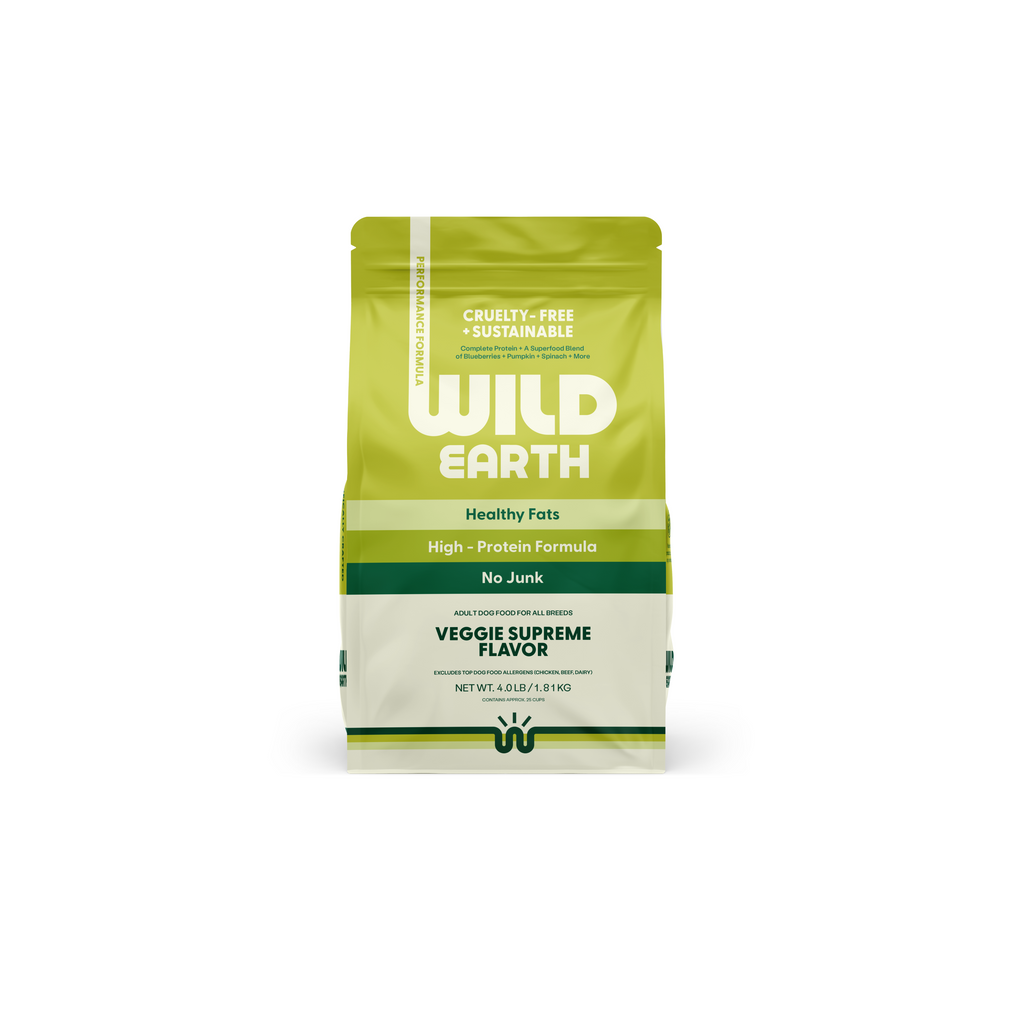
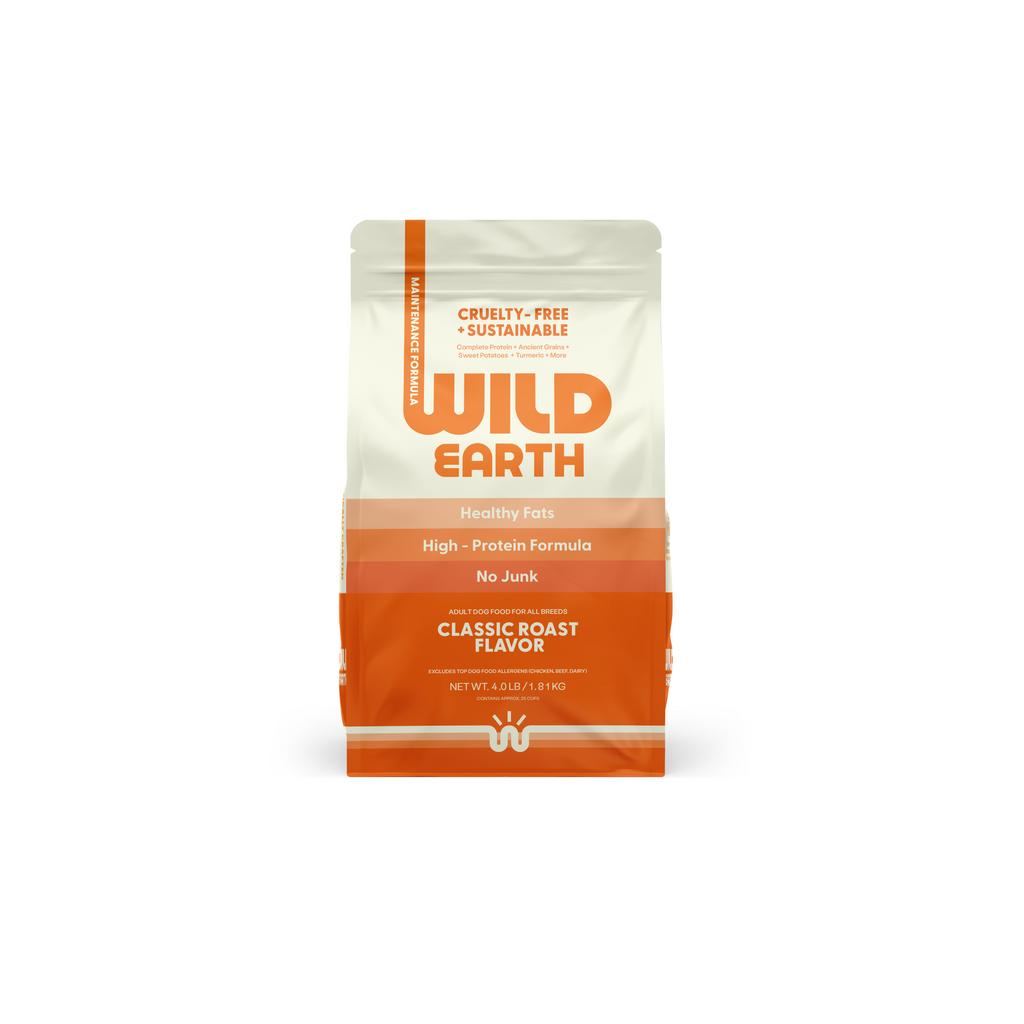
Wild Earth is a Vet-developed food that is a high protein, high fiber source of complete nutrition. Our food is full of beta-glucans, a powerful digestive fiber that helps to fight off disease and increase immunity. It also contains superfoods like chickpeas, sweet potato, oats, and blueberries so your dog can thrive!
What to Do When Dirt-Eating Is a Behavioral Problem
Why do dogs eat dirt for the fun of it? If your dog does this and you have ruled out medical reasons for your dog's dirt-eating habit, then it is most likely a behavioral issue.
Behavioral issues often stem from boredom. A dog suffering from boredom gets into mischief. If this is the case with your dog, you must ensure they are getting enough daily exercise and enrichment.
If you have a fairly active dog, try introducing a few new exciting toys for your dog to play with. Monitor them outside. If they begin to indulge in the dirt, you need to distract them immediately using a loud noise like clapping your hands, or verbal command. Never use punishment. Positive reinforcement is the way to go: make sure to give them abundant praise when they stay away from dirt. Once you have their attention, offer them a toy. Make that toy seem as exciting as possible so that they completely forget about the dirt.
You can also try to dog-proof your garden by putting up barriers or coat your dog's dirt "cafeteria" with bitter apple spray. The taste will deter them from eating it.
If these methods do not work and your dog is adamant about eating dirt, consider seeking the help of a behaviorist or trainer to curb the habit.
Dogs Eating Mulch
Dirt and mulch often go hand-in-hand. If you use mulch in your yard, it’s vital that you use a pet-safe variety.
Many mulches are made from cocoa shells. Cocoa mulch is toxic to dogs and can result in increased heart rate, hyperactivity, vomiting, diarrhea, and seizures. Seek safer mulch alternatives like rubber mulch or cedar mulch. If your dog has eaten mulch with cocoa in it, monitor them and call your veterinarian.
Why Do Dogs Eat Dirt? The Dirty Truth
It's not uncommon for dogs to eat dirt. Regardless of the reason behind your dog's dirt eating habit, however, it is not something that should be ignored. Investigate why they could be doing this.
If you know your dog is prone to ingesting non-food items, always make sure they are supervised in the yard. Remember to ensure your dog is getting satisfactory mental stimulation and physical exercise in order to avoid behavior problems that arise out of boredom.
As for a possible dietary deficiency, don't forget to look into your dog's diet to make sure they are getting the right amount of nutrients and minerals.
Ruling out a medical or behavioral issue, eating dirt means your dog is just being curious. Even if you do determine something is wrong, you can take action and put your dog on a healthier path.