



















Pancreatitis: What Foods Should my Dog Eat
Pancreatitis develops when the pancreas become inflamed, which disrupts normal digestion. The right diet reduces pancreatic stress, promotes recovery, and helps prevent future episodes.
Low-fat, highly digestible meals form the foundation of recovery. Choosing lean proteins and simple carbohydrates helps protect the pancreas. Recognizing early warning signs and following veterinary guidance are essential.
What Is Pancreatitis in Dogs?
The pancreas is an organ in the abdomen that produces digestive enzymes. These enzymes break down food so the body can absorb nutrients. Proper pancreatic function is essential for normal digestion.
Pancreatitis occurs when digestive enzymes activate too early inside the pancreas. Instead of breaking down food, they begin damaging pancreatic tissue. This triggers inflammation and can affect nearby organs.
Dogs with pancreatitis commonly vomit, lose their appetite, and show clear abdominal pain. Many adopt a “praying position” with their front legs lowered and hind end raised to relieve discomfort. Ongoing vomiting often leads to dehydration.
Pancreatitis can be acute or chronic. Acute cases begin suddenly and may be severe. Chronic pancreatitis develops over time, can flare without warning, and may cause permanent scarring or complications such as diabetes.
Why Does a Dog with Pancreatitis Need a Low-Fat Diet?
Approximately two-thirds of pancreatitis cases in dogs are chronic, which means the condition can return. Diet plays a central role in managing the disease and requires strict, long-term consistency.
Dietary fat increases pancreatic stimulation. When fat intake rises, the pancreas releases more digestive enzymes, which can trigger inflammation. Low-fat diets reduce pancreatic strain and lower the risk of relapse.
What Foods Can Dogs with Pancreatitis Eat?
|
Food |
Why It Helps |
|
Skinless chicken breast |
Lean protein, low fat, easy to digest |
|
Skinless turkey breast |
High protein with minimal fat |
|
White fish |
Very lean, gentle on the stomach |
|
Egg whites |
Protein without added fat |
|
White rice |
Easy-to-digest carbohydrate, low fiber |
|
Sweet potato (no skin) |
Gentle energy source, moderate fiber |
|
Plain pumpkin (in small amounts) |
Supports digestion |
|
Low-fat cottage cheese (if tolerated) |
Light protein option |
|
Green beans, carrots, zucchini (cooked) |
Low-fat vegetables that provide nutrients |
Apart from these options, your veterinarian may prescribe a low-fat therapeutic diet. These special formulas support pancreatic healing.
How Should You Feed a Dog with Pancreatitis?
Feeding method matters just as much as food choice. The goal is to reduce pancreatic stimulation and support steady recovery. Follow these core principles:
- Feed Small, Frequent Meals: Offer smaller portions several times a day. Smaller meals put less stress on the pancreas and lower the risk of vomiting or pain.
- Serve Cooked Food, Not Raw: Cooking improves digestibility and can lower fat content. During recovery, the pancreas needs food that is easy to break down.
- Support Hydration: Provide constant access to fresh water. You can also use low-fat wet food to help maintain fluid intake, especially if your dog’s appetite is low.
- Introduce Changes Gradually: Transition new foods slowly over 7 to 10 days. Sudden diet shifts can trigger digestive upset.
Which Foods Should Dogs with Pancreatitis Avoid?
Fat is the main dietary trigger for pancreatitis. Avoid fatty meats such as bacon, pork, sausages, and fatty beef. Skip chicken skin, fried foods, and anything cooked in oil or butter. Greasy table scraps, even in small amounts, can lead to discomfort.
Avoid high-fat dairy products like cheese, cream, and full-fat yogurt. Limit rich treats, sugary snacks, and peanut butter with added oils or sweeteners.
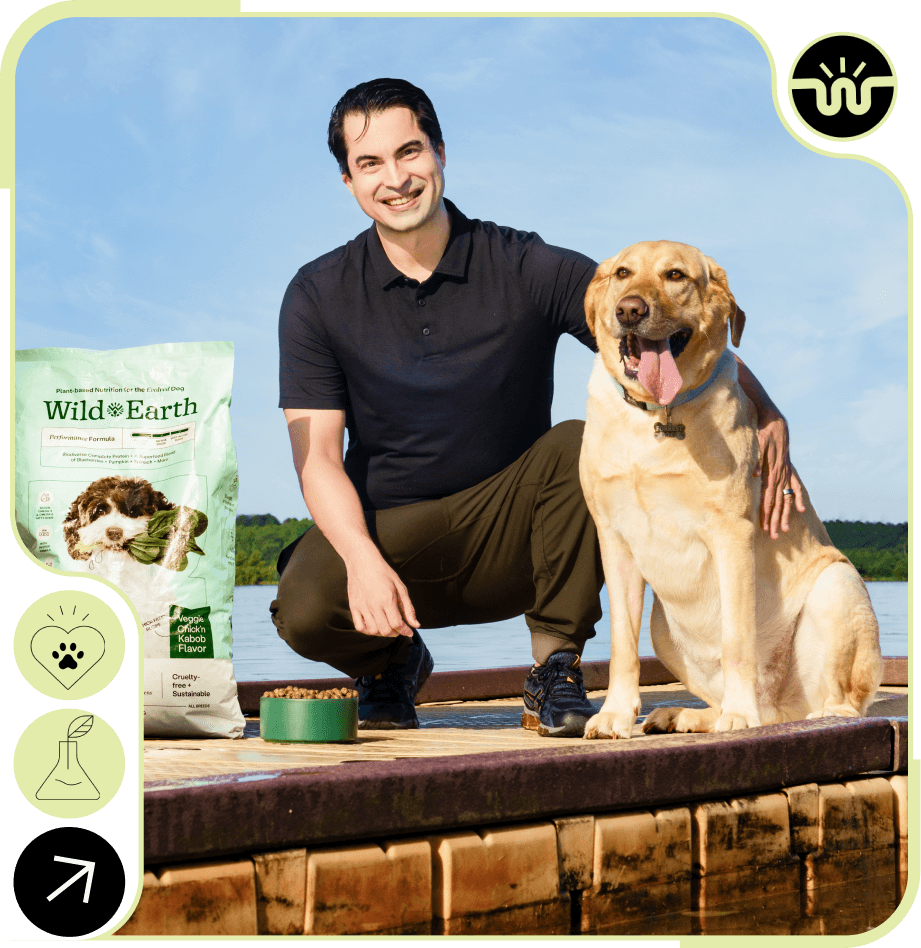
Can Wild Earth Support Dogs with Pancreatitis?
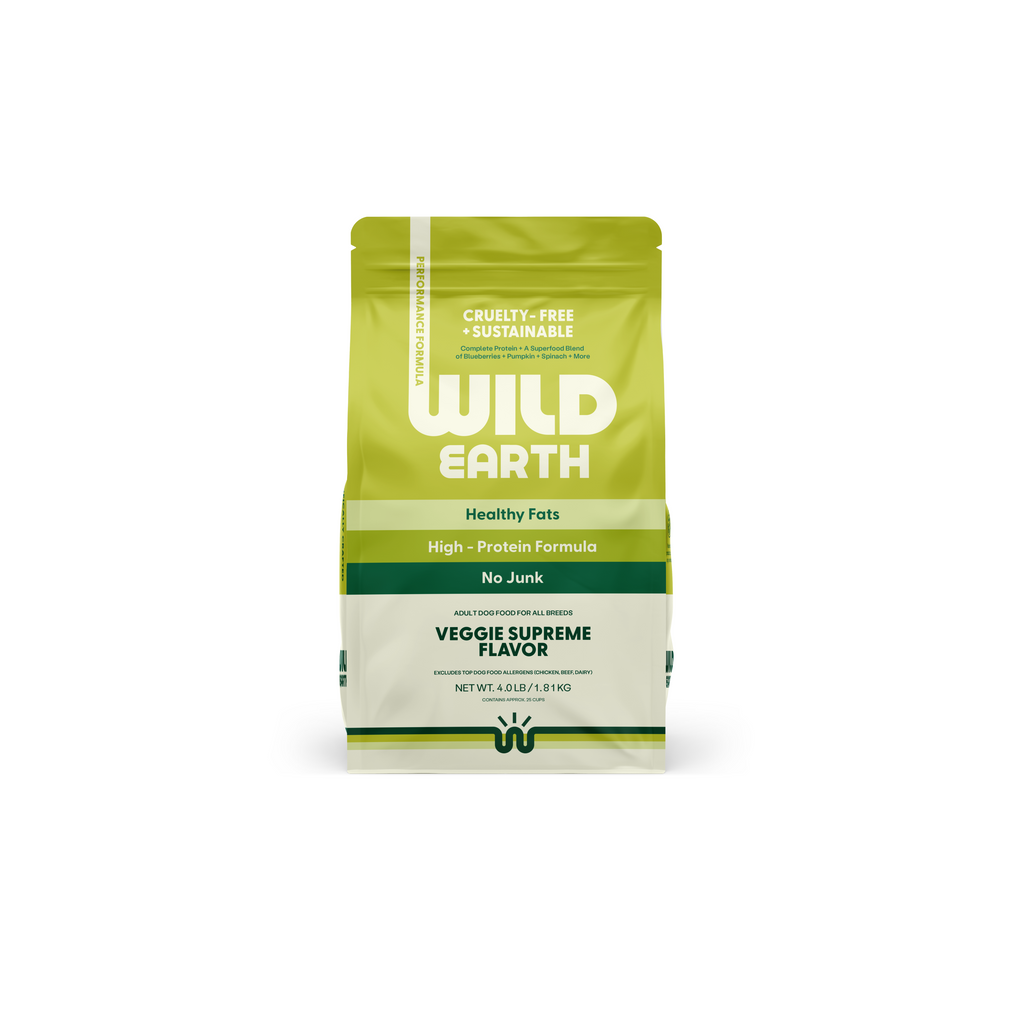
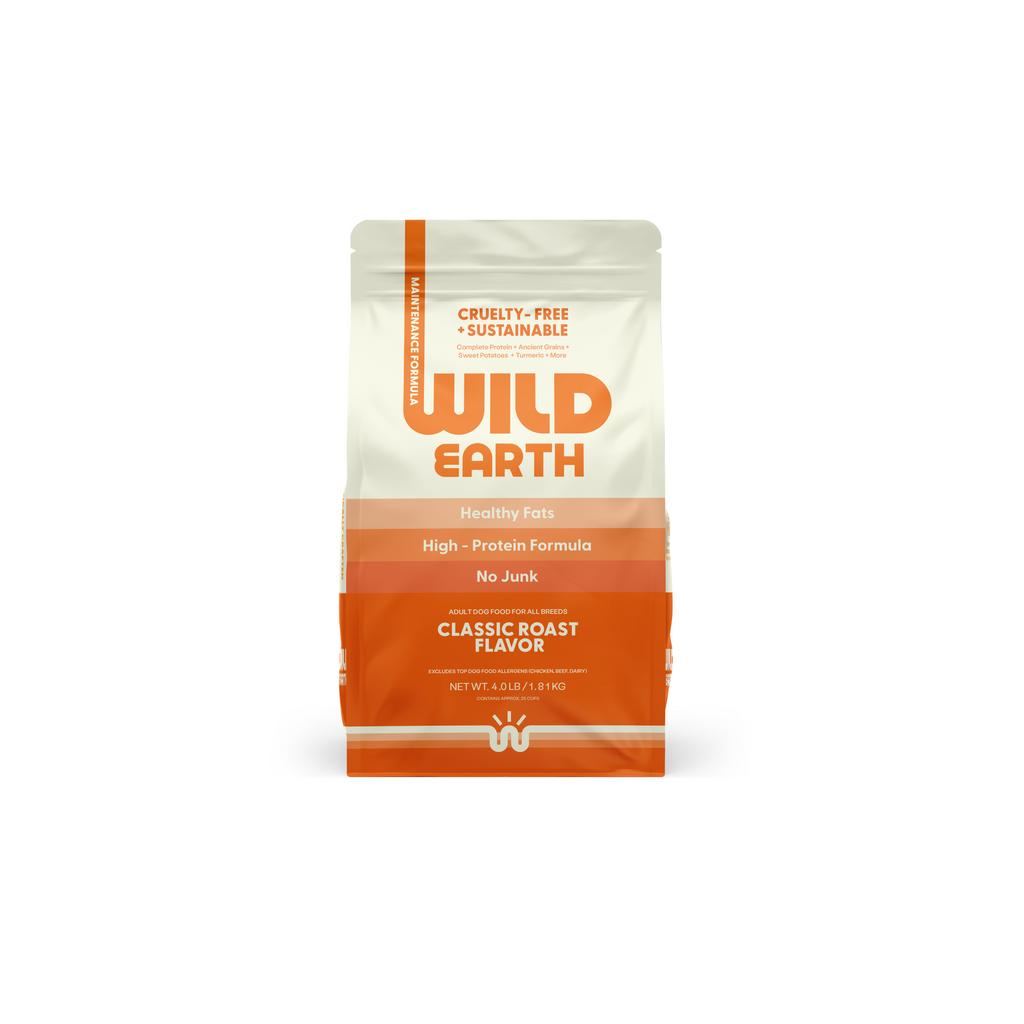
Fat content guides every decision in pancreatitis care. Many therapeutic diets fall within a 7 to 15% fat range on a dry matter basis. Wild Earth kibbles fall within this moderate range:
- Maintenance Formula: 10% fat (dry matter basis).
- Performance Formula: 12.2% fat (dry matter basis).
These levels fit within moderate-fat guidelines. However, they are appropriate only for very mild, stable cases and only with veterinary approval. Dogs with acute or severe pancreatitis usually require stricter prescription diets.
Wild Earth formulas are also highly digestible based on in vitro testing. High digestibility helps reduce digestive strain, which may ease the pressure on the pancreas.
What Are the Emergency Signs of Pancreatitis?
Pancreatitis can worsen quickly. Seek urgent care if symptoms are severe, repeated, or escalating. Visit a veterinarian if you notice:
- Vomiting more than three times in 24 hours.
- Severe lethargy or sudden weakness.
- Intense belly pain or crying when touched.
- “Prayer position” posture.
- Swollen or hard abdomen.
- Diarrhea, especially with blood.
- Pale gums.
- Collapse.
Refusal to eat for over 24 hours or drink for 12 hours also raises concern. Do not give human medications or home remedies. Early treatment improves recovery and prevents life-threatening complications.
Key Takeaway: Managing Pancreatitis
Pancreatitis is a serious condition that requires strict dietary control. A low-fat, highly digestible diet reduces pancreatic stress and lowers the risk of recurrence. Lean proteins, simple carbohydrates, and small, frequent meals help with recovery.
Avoid high-fat foods, greasy treats, and sudden diet changes. Monitor for emergency signs such as repeated vomiting, severe pain, or weakness. Work closely with your veterinarian to guide nutrition.
Common Questions About Pancreatitis in Dogs
What is the best food for a dog with pancreatitis?
The best food is a veterinarian-approved low-fat, highly digestible diet made with lean protein and simple carbohydrates.
Can dogs with pancreatitis ever eat treats?
Yes, but only low-fat treats approved by your veterinarian, and never greasy table scraps or high-fat snacks.
Is a plant-based diet safe for dogs with pancreatitis?
It can be safe for mild, stable cases if the fat level is appropriate and your veterinarian approves.
How often should I feed my dog with pancreatitis?
Feed small, measured meals several times a day to reduce digestive stress.
Can pancreatitis be fully managed through diet alone?
Diet plays a major role, but many dogs also need veterinary monitoring and medical treatment during flare-ups.